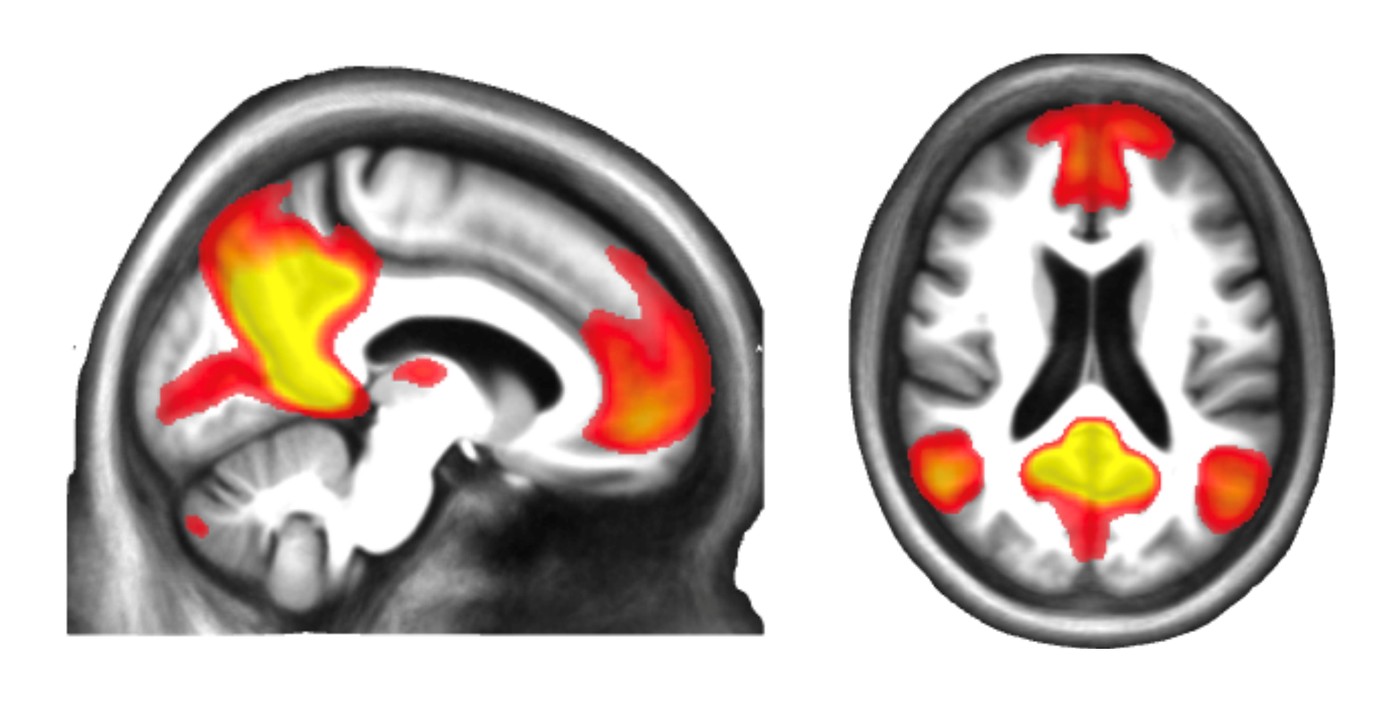
Resting-state functional networks
Characterizing brain functional organization from resting-state fMRI, including fine-scale connectivity and network atlases in aging and neurodegeneration, and their links to cognitive performance.
 SPARTANS WILL.
Research
Our research turns multimodal brain images into biomarkers that capture resilience, aging, and disease — and into methods that make those biomarkers reliable and interpretable.
Characterizing brain functional organization from resting-state fMRI, including fine-scale connectivity and network atlases in aging and neurodegeneration, and their links to cognitive performance.

Developing and validating biomarkers for Alzheimer's and Parkinson's disease, including connectivity, amyloid-related, and shape-based measures.
Modeling how vascular risk, exercise, and lifestyle relate to cognitive resilience and brain maturity across the lifespan.
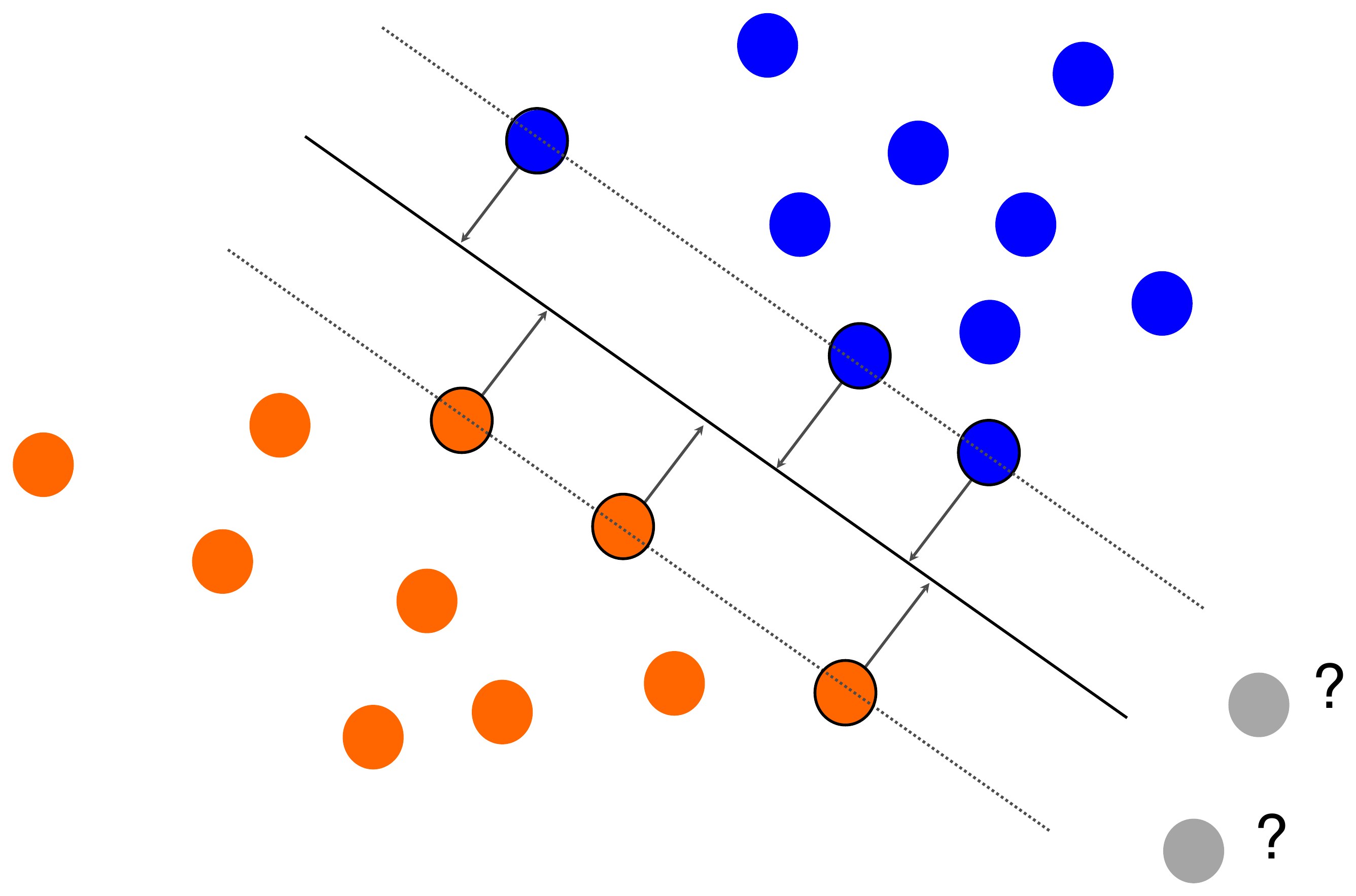
Machine learning for individual prediction, novel information-theoretic measures (e.g. omega entropy), and causality analysis such as Dimensional Complexity and causalized convergent cross-mapping.
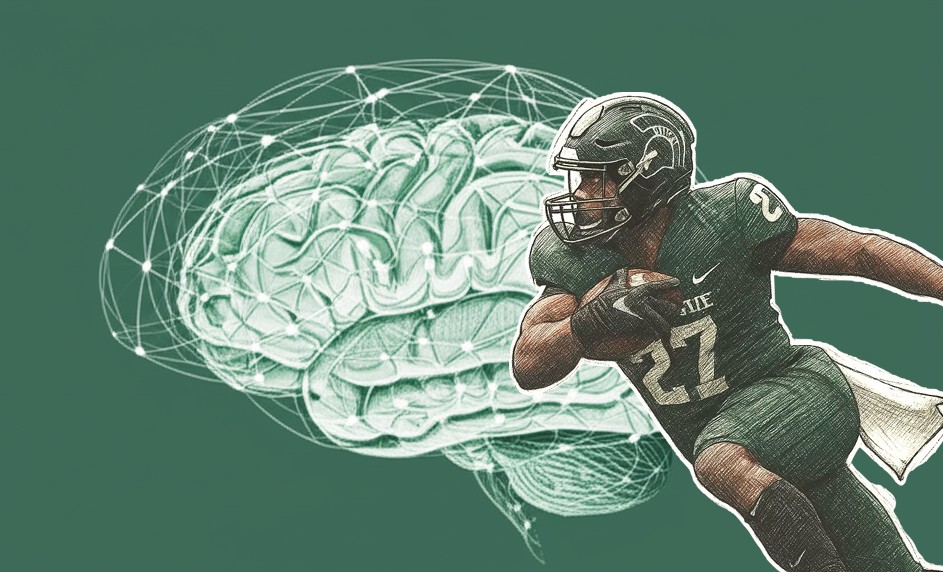
Applying our imaging expertise to pressing health issues in the Spartan community — mapping recovery trajectories of brain networks after sports-related concussion to protect the long-term health of student-athletes.
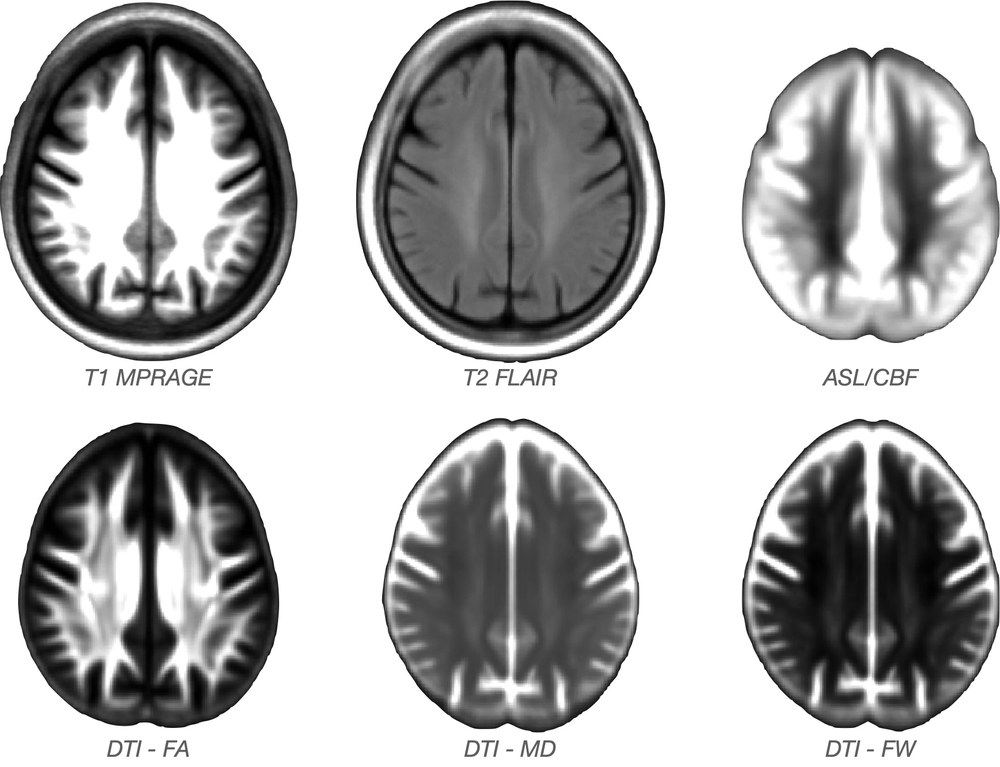
High-throughput, GPU-accelerated pipelines spanning structural, functional, diffusion, and perfusion MRI plus PET — harmonized for large, multi-site studies.
Computing
Our analysis scales from the lab's own workstation to MSU's high-performance computing center without changing tools. Our local systems are a Dell Precision 7875 (AMD Threadripper PRO 7975WX, 512 GB ECC RAM, NVIDIA RTX A6000, 4 TB NVMe) and an M1 Ultra Mac Studio with 128 GB RAM, backed by an 84 TB Synology array on 10 Gb/s networking.
We run large-scale jobs on MSU's Institute for Cyber-Enabled Research (ICER) HPCC, using containerized pipelines built on FSL, SPM, AFNI, MRtrix, FreeSurfer, and ANTs, plus our own GPU-accelerated Python/MATLAB code, giving us a specialized environment highly optimized for neuroimaging and image computing on the HPCC.